Direct answer: The average cost of a Rolex watch depends heavily on model and market, but as a practical rule of thumb you can expect a new Rolex to start around $5,000–$7,000 for entry-level steel models and to average roughly $10,000–$25,000 when including the most commonly bought models on the market. Popular stainless-steel sports references and precious-metal models push the real-world average (including secondary market premiums) closer to $15,000–$30,000. Vintage, rare, and gem-set Rolexes can cost far more.
Detailed explanation
Answering “what is the average cost of a Rolex watch” requires separating list price (MSRP) from actual transaction prices in the primary and secondary markets. Rolex sets manufacturer suggested retail prices for new watches sold through authorized dealers, but limited supply, dealer waiting lists, and strong demand for in-demand sports models (e.g., Submariner, GMT-Master II, Daytona) mean many buyers pay above MSRP on the secondary market. Conversely, pre-owned models that are older, worn, or less desirable can trade below modern retail prices.
Here’s a practical way to view average pricing:
| Model category | Typical new MSRP (approx.) | Typical secondary-market average |
|---|---|---|
| Entry-level steel (Oyster Perpetual, smaller Datejust) | $5,000–$10,000 | $6,000–$12,000 |
| Classic sport steel (Submariner, Explorer) | $8,000–$12,000 | $10,000–$25,000 |
| GMT-Master II (steel) | $9,000–$12,000 | $15,000–$35,000+ |
| Daytona (steel) | $14,000–$18,000* | $25,000–$150,000+ |
| Precious metals & gem-set (gold, two-tone) | $20,000–$50,000+ | $25,000–$100,000+ |
*MSRPs change regularly; check current dealer pricing. Secondary-market figures vary by condition, provenance, and region.
Key reasons / factors
- Model and reference: Some Rolex lines are inherently more expensive—Daytona and Day-Date command higher prices than Oyster Perpetual or Air-King.
- Materials: Steel is the most accessible; Rolesor (steel + gold), full gold, and platinum or gem-set models add large premiums.
- Market demand and scarcity: Limited availability of popular sports models drives prices above MSRP.
- Condition and age: Mint, complete-with-box-and-papers pieces sell for more; worn or serviced pieces may fetch less.
- Rarity and provenance: Discontinued references, limited editions, or celebrity provenance can multiply value.
- Region and taxes: Import duties, VAT, and retailer markups vary by country and affect final price.
- Service history: Recently serviced watches or those with original parts are typically more valuable.
Comparison (if relevant)
Comparing the price of a Rolex to other brands helps put the average cost into perspective. Entry-level Rolex pricing overlaps with higher-end models from Tudor (Rolex’s sister brand) and top Omega pieces. However, Rolex typically trades at a premium relative to peers because of brand recognition, perceived durability, and resale strength. In the secondary market, many Rolex sports models outperform equivalent watches from other Swiss brands in terms of price retention and demand.
Comparing new vs pre-owned: buying new at MSRP can be attractive for less in-demand models, but many collectors buy pre-owned to access discontinued references, rare dials, or models being sold below current market levels. Buying new from an authorized dealer often requires waiting and relationship-building; buying pre-owned offers immediate availability but requires careful authentication.
Pros and Cons
- Pros:
- Strong brand reputation and resale value.
- High-quality manufacturing and long service life.
- Wide model selection from dress to professional tool watches.
- Global dealer and service network.
- Cons:
- High upfront cost compared with many other watch brands.
- Popular models often sell above MSRP on the secondary market.
- Potential long waitlists at authorized dealers for desirable references.
- Servicing can be expensive and require factory parts.
FAQs
What is the cheapest Rolex I can buy?
The least expensive new Rolex tends to be an entry-level Oyster Perpetual or a simple Datejust in steel, which typically starts in the mid-$5,000s to low-$7,000s MSRP. On the pre-owned market you can sometimes find older, simpler Rolex models for under $5,000, but condition and authenticity must be verified.
How much does a brand-new Submariner cost on average?
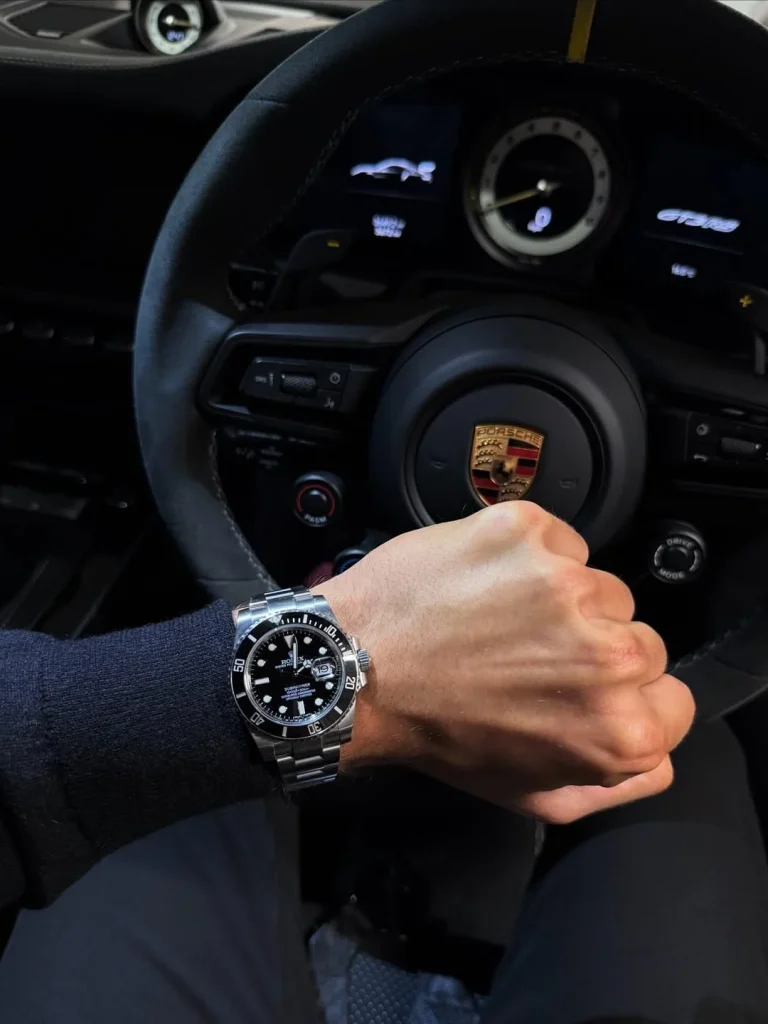
New Submariner MSRPs are generally in the $8,000–$12,000 range depending on reference and whether it has date complication or precious metals. In practice, popular stainless-steel Submariners often sell for more on the secondary market—commonly $10,000–$25,000 depending on supply and demand.
Are Rolex watches a good investment?
Rolex watches can hold value and, in some cases, appreciate—especially limited or highly sought-after models. However, not every Rolex guarantees investment-grade returns. Consider buying what you love to wear first and viewing potential appreciation as secondary.
Why do some Rolexes sell for far more than the MSRP?
Supply shortages, strong collector demand, and waiting lists create secondary-market premiums. Certain models (e.g., steel Daytonas, GMT “Pepsi”, ceramic Submariners) are produced in limited quantities relative to demand, which pushes prices above MSRP among resellers and collectors.
Should I buy new from an AD or pre-owned from a reputable dealer?
Buying new from an authorized dealer provides warranty and peace of mind but may require waiting. Pre-owned buyers can access discontinued references and deals but must ensure authenticity and condition via trusted sellers with return policies and documentation.