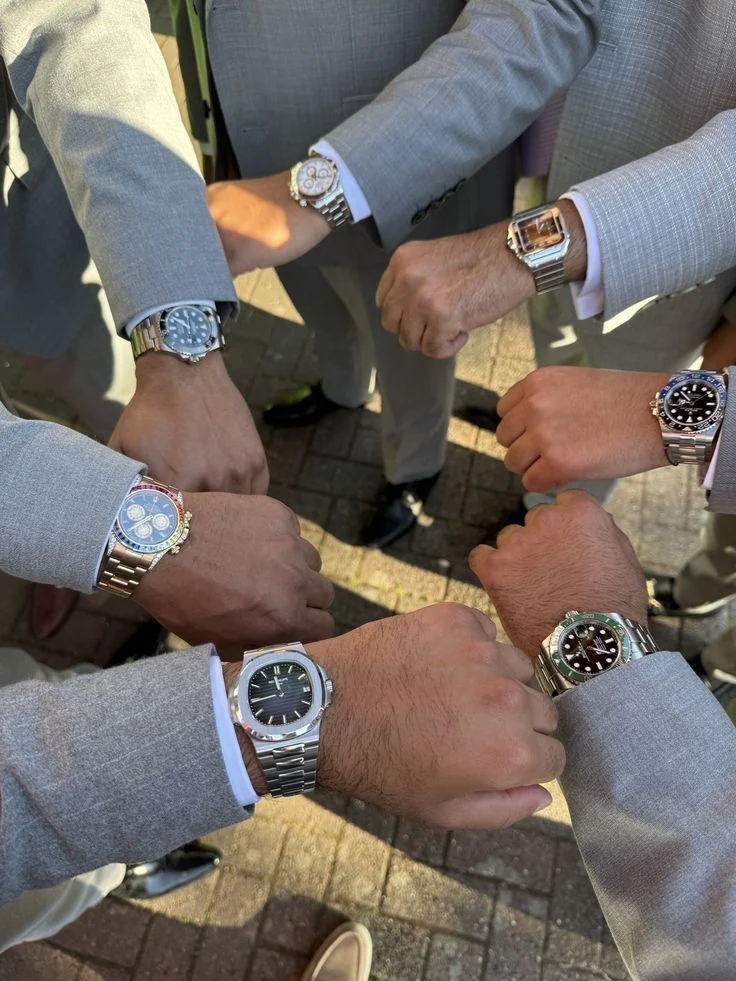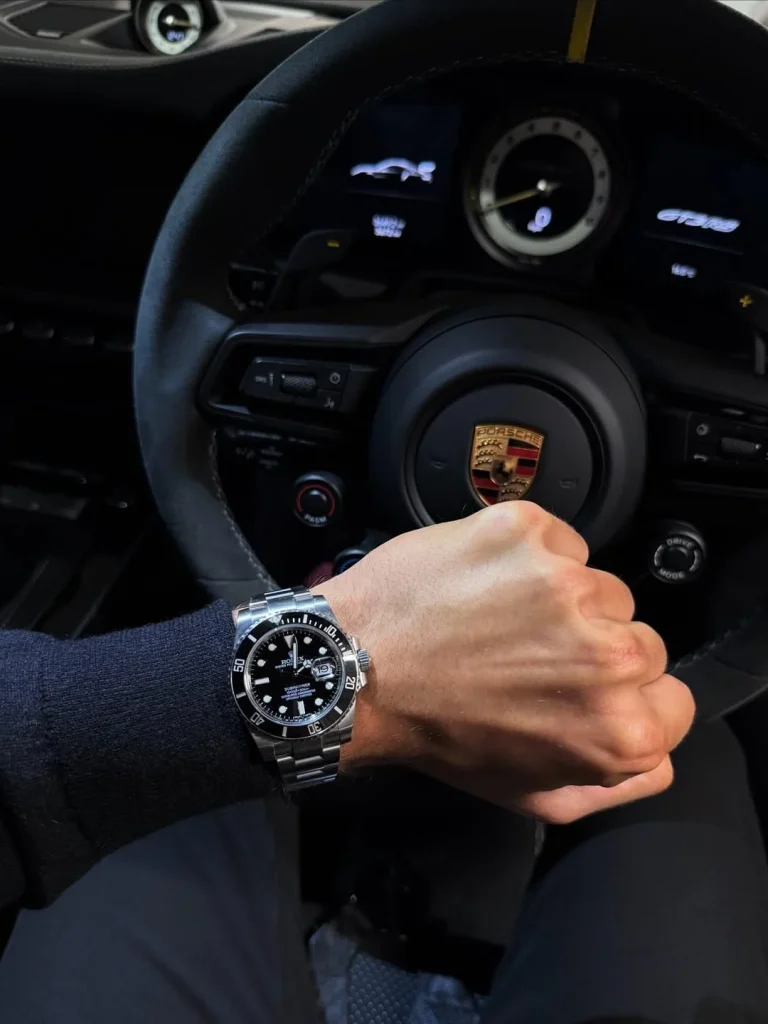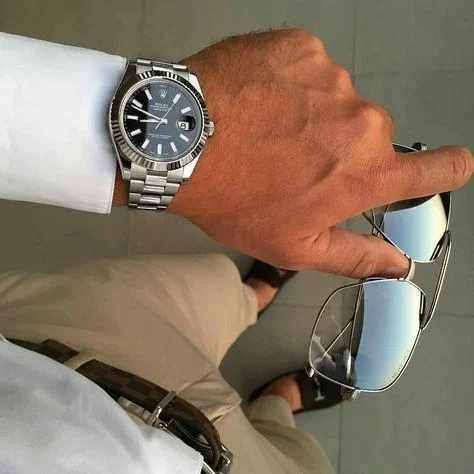
Rolexes are popular because they combine proven mechanical quality, enduring design, powerful branding, and a perception of exclusivity that together make Rolex watches a widely recognized status symbol and a desirable investment for collectors and casual buyers alike.
Detailed explanation
The popularity of Rolex watches is not the result of a single factor but the cumulative effect of more than a century of consistent product strategy and cultural positioning. Rolex was founded in 1905 and over decades established a reputation for robust, reliable movements, pioneering waterproof and chronometer-certified designs, and tight quality control. That technical credibility gives Rolex a practical appeal: people buy Rolexes because they work, they last, and they keep time well.
Beyond technical merit, Rolex has mastered the softer elements that create desirability: timeless aesthetics, selective marketing, and association with achievement. Rolex watches appear in high-profile sporting events, exploration stories, and celebrity wardrobes, which reinforces their image as a reward for success. The brand’s careful control of supply — including yearly production limits relative to demand — creates scarcity that fuels resale values and waiting lists for certain models. All of these factors feed each other: quality supports reputation, reputation supports demand, and demand supports perceived exclusivity.
Key reasons / factors
- Heritage and history — Rolex has over 100 years of history, and milestones such as the Oyster case (1926) and the Perpetual rotor (1931) cemented its place in watchmaking history.
- Reliability and quality — Rolex movements and cases are engineered for durability. Many models are chronometer-certified and built to withstand harsh environments.
- Iconic design — Models like the Submariner, Datejust, and Daytona have classic designs that change slowly, preserving desirability across generations.
- Branding and marketing — Rolex invests in long-term association with sports, exploration, and the arts instead of faddish campaigns, building a consistent luxury image.
- Exclusivity and scarcity — Controlled production and allocation policies make sought-after models hard to get, increasing demand and secondary-market premiums.
- Resale value and investment appeal — Many Rolex references hold value well and some even appreciate, attracting buyers who view them as assets.
- Global service network — A large authorized service and dealer network offers owners confidence in maintenance and after-sales support.
- Celebrity and cultural presence — Seen on athletes, actors, and public figures, Rolex benefits from social proof that reinforces its prestige.
Comparison (if relevant)
Comparing Rolex to other luxury watch brands helps clarify why it commands such broad recognition. Rolex sits in the luxury-luxury tier where durability and brand equity are central, while other brands emphasize different values such as haute horlogerie complexity, avant-garde design, or artisanal finishing.
| Brand | Positioning | Typical Price Range | Known for |
|---|---|---|---|
| Rolex | Iconic luxury, professional tool watches | $5,000–$100,000+ (retail to secondary) | Durability, resale value, iconic models (Submariner, Daytona) |
| Omega | High-quality Swiss, slightly more accessible | $3,000–$20,000 | Innovation (co-axial), Moonwatch heritage, value for money |
| Patek Philippe | Ultra-luxury, haute horlogerie | $20,000–$1,000,000+ | Complications, finishing, collector-driven scarcity |
Pros and Cons
- Pros
- Strong brand recognition and prestige.
- High build quality and dependable movements.
- Excellent resale value for many models.
- Timeless designs that work for many occasions.
- Robust after-sales service worldwide.
- Cons
- High price and long waitlists for popular references.
- Perceived as a status symbol—some buyers dislike the attention.
- Limited stylistic variety within the mainstream lineup compared with boutique brands.
- Secondary-market premiums can make buying at retail difficult.
FAQs
1. Do Rolex watches hold their value?
Many Rolex models retain value well and some appreciate, particularly limited or historically significant references. However, not every Rolex guarantees profit; condition, model, and market timing matter. Classic sports models like the Submariner and Daytona have a track record of strong resale performance.
2. Are Rolexes worth the price?
That depends on what you value. If you prioritize durability, long-term serviceability, brand prestige, and potential resale value, a Rolex can be worth the premium. If you seek unique design or independent watchmaking craft at similar prices, other brands may offer better value for different tastes.
3. What makes a Rolex more desirable than other luxury watches?
Desirability comes from a mix of technical credibility, slow-evolving iconic design, global recognition, and perceived scarcity. Rolex balances being approachable enough to be widely worn while remaining aspirational through controlled distribution and high secondary-market demand.
4. Is buying a Rolex a good investment?
Rolexes can be a reasonable part of a diversified collectible portfolio, but they should not be viewed as guaranteed investments. Buy what you like first; if the model also holds or grows in value, that’s a bonus. Research models, provenance, and market trends before buying for investment reasons.
5. Why are some Rolex models almost impossible to buy at retail?
Controlled production, dealer allocation strategies, and strong secondary-market demand create scarcity. Dealers often prioritize loyal customers and certain channels, which results in waiting lists for popular pieces. This scarcity helps maintain the perception of exclusivity and supports resale prices.