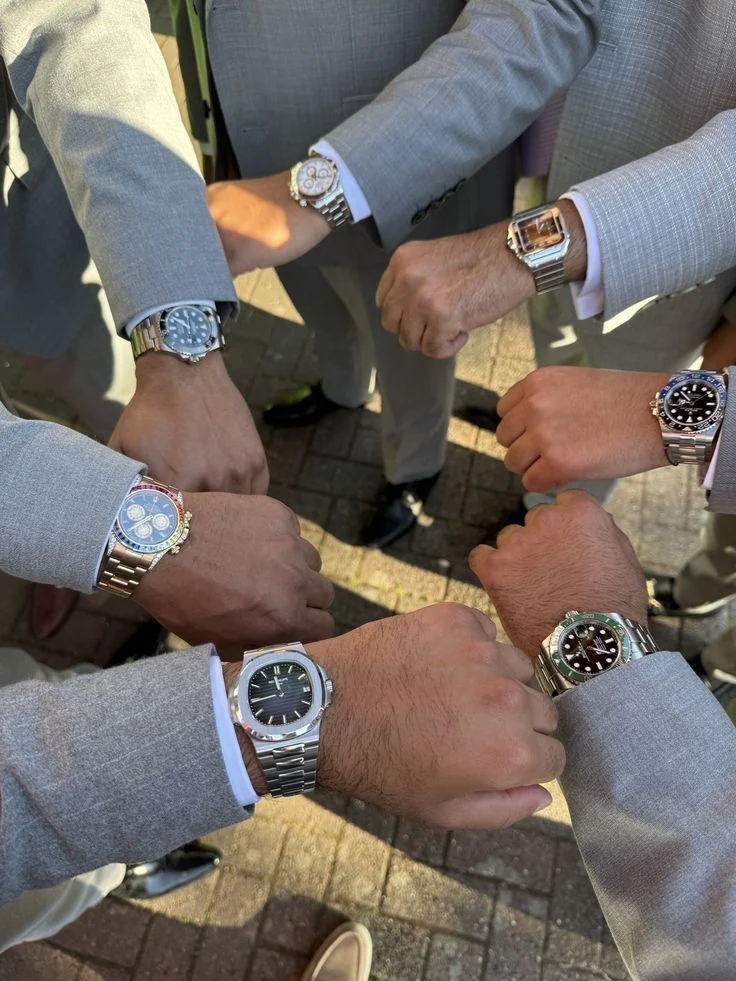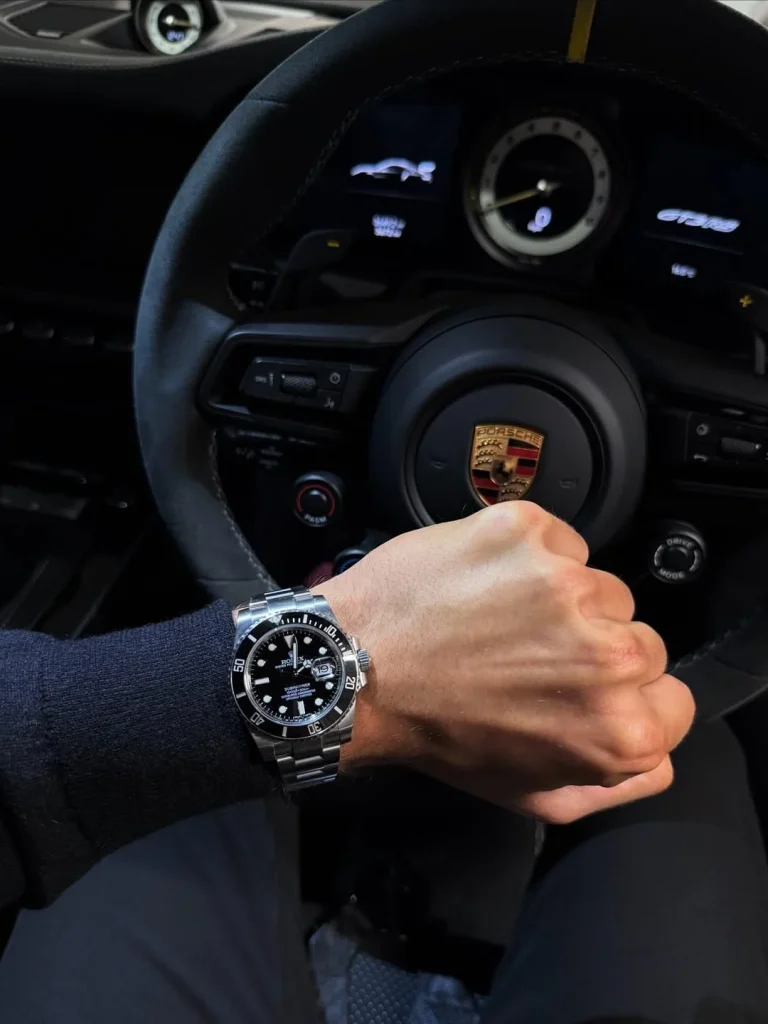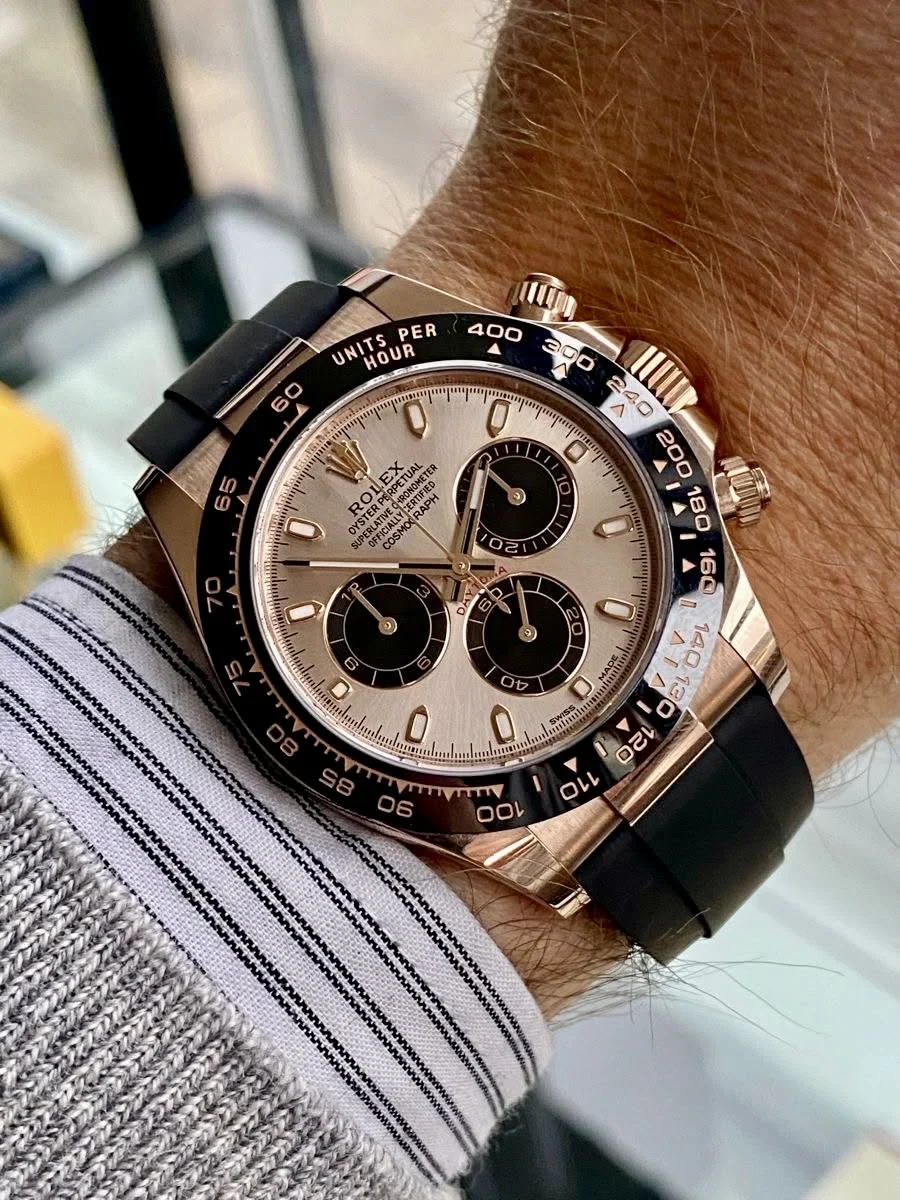
Short answer: Generally, Rolex watches do not lose value in the same way most consumer electronics or cars do; many Rolex models hold their value well and some appreciate over time. However, this is not guaranteed for every watch—resale performance depends on the specific model, condition, provenance (box and papers), market trends, and timing.
Detailed explanation
When people ask “do Rolex watches lose value,” they are usually comparing Rolex to typical depreciating purchases. Unlike mass-market goods, Rolex is a luxury watch brand with strong secondary-market demand. Iconic references such as the Submariner, Daytona, GMT-Master II, and certain vintage models frequently maintain or increase in price, especially when supply is limited or a model is discontinued.
That said, Rolex value behaves like any collectible market: it is driven by supply and demand, rarity, and perceived desirability. New and common references bought at retail may not immediately yield profit after taxes, dealer markups, and potential waiting lists are considered. Conversely, discontinued models, limited editions, or pieces with unique provenance can outperform the market and appreciate significantly.
Maintenance and condition matter. A badly serviced, heavily polished, or incomplete watch (missing original box and papers) can fetch much less than a similar, well-preserved example. Market sentiment matters too—macro-economic cycles, currency movements, and trends in luxury spending influence Rolex resale values.
Key reasons / factors
- Model desirability: Iconic models (Submariner, Daytona, GMT) have strong demand and better resale performance.
- Supply constraints: Limited production, long dealer waitlists, and discontinuations boost secondary-market value.
- Condition: Mint condition, minimal polishing, and original parts preserve value; damage or modifications reduce it.
- Box and papers/provenance: Complete sets with service records increase collector confidence and price.
- Rarity and age: Vintage and rare references often appreciate if they are authentic and well-documented.
- Market trends: Fashion, celebrity exposure, and collector interest can raise or lower demand rapidly.
- Economic factors: Interest rates, inflation, and global wealth affect collectible markets, including Rolex resale value.
- Counterfeits and grey market: The presence of fakes and unauthorized dealers can distort local pricing; verified sources command premiums.
- Service and maintenance costs: Regular servicing preserves function and value, but costs reduce net return if sold soon after purchase.
Comparison
Comparing Rolex to other assets helps answer “do Rolex watches depreciate compared to alternatives”:
| Asset | Typical Value Trend | Notes |
|---|---|---|
| Rolex (iconic models) | Hold or appreciate | High liquidity among collectors; subject to market cycles |
| Other luxury watches (Omega, Breitling, Tudor) | Mixed — often depreciate more than Rolex | Tudor can be strong for niche models; Omega generally softer resale than Rolex |
| High-end Swiss (Patek Philippe, Audemars Piguet) | Often appreciate—especially rare models | Smaller supply and extreme collector demand can outperform Rolex |
| Cars | Depreciate (exceptions: classic/limited cars) | High running costs and steep initial depreciation |
| Electronics | Rapidly depreciate | Short lifecycle and fast obsolescence |
In short, Rolex sits in a favorable position: not usually as rare or exclusive as Patek Philippe but far more resilient than typical consumer goods. That makes them a popular choice for collectors seeking durability and liquidity in a watch investment.
Pros and Cons
- Pros
- Many models hold or increase in value over time.
- Strong secondary market and liquidity.
- Brand recognition reduces risk of severe depreciation.
- Durable build and timeless design support long-term desirability.
- Cons
- Not every Rolex appreciates—common or heavily discounted models can lose value.
- Buying at retail with dealer premiums and selling costs can reduce short-term returns.
- Maintenance, insurance, and risks (loss/theft) affect net value.
- Market volatility and trends can quickly change resale prices.
FAQs
Which Rolex models hold value best?
Historically, the Rolex Daytona, Submariner, GMT-Master II, and certain Datejust/Sea-Dweller variants perform well. Limited editions, discontinued references, and vintage models with original parts and paperwork typically hold the strongest resale prices.
Do I need the original box and papers to maintain value?
Yes—having the original box, warranty card, and service records usually increases resale value and buyer confidence. A complete set can command a meaningful premium over a watch sold without provenance.
Is buying a Rolex a safe investment?
Rolex can be part of a diversified collectible strategy, but it’s not a guaranteed investment. Consider it a luxury asset that often retains value rather than a risk-free financial instrument. Research model desirability, buy from reputable sources, and factor in ownership costs.
How can I maximize resale value of a Rolex?
Keep original accessories and paperwork, avoid unnecessary polishing, follow authorized service intervals, store the watch properly, and maintain documentation of repairs. Buying sought-after models or limited releases also increases the chance of strong resale performance.
Do Rolex watches ever lose value quickly?
Yes—if you purchase an unpopular model, buy at an inflated price, or the watch is damaged, heavily modified, or missing parts, resale value can drop quickly. Market corrections and shifts in demand can also cause short-term declines.