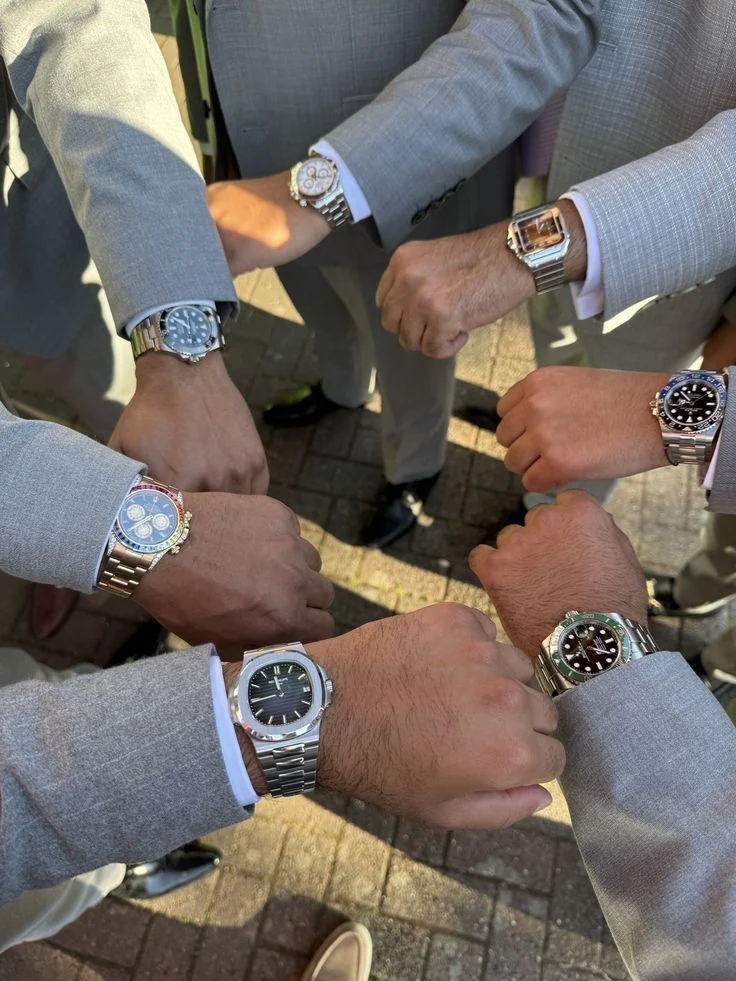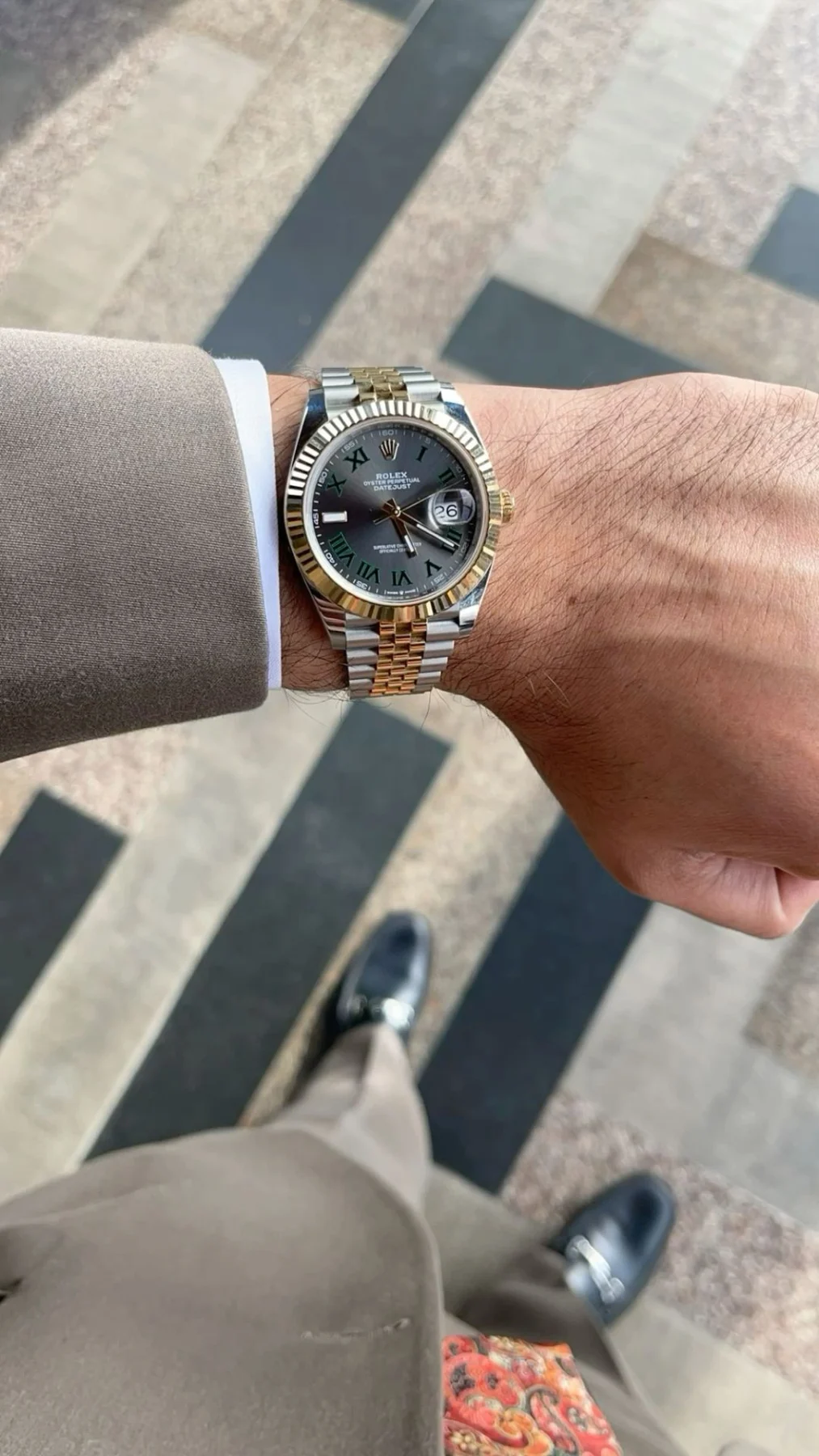
Direct answer: The value of your Rolex depends on its model, age, condition, materials, provenance, and market demand; it can range from a few hundred dollars for damaged or counterfeit pieces to tens or even hundreds of thousands for rare vintage or highly sought-after models. To get a reliable estimate, identify the model and reference, check condition and documentation (box, papers, service history), and compare recent sales for comparable watches on the secondary market or consult a professional Rolex appraisal.
Detailed explanation
When someone asks “how much is my Rolex worth,” they are really asking two things: the intrinsic value (materials and repairability) and the market value (what a buyer will pay today). Rolex watches vary enormously. A modern stainless steel Oyster Perpetual or Datejust in good condition will typically fetch a few thousand dollars on the secondary market, while sports models like the Submariner, GMT-Master II, or Daytona can sell for significantly more—often at/above retail—if they are in demand. Vintage watches with rare dials, limited production runs, or notable provenance can command collector prices well into six figures.
To estimate value yourself: locate the model/reference number (usually between the lugs or on paperwork), note the serial or production year, evaluate condition (scratches, polish, service), confirm movement authenticity, and list accessories (original box, warranty card, instruction booklets, receipts). Then research recent completed sales on reputable platforms (auction houses, Chrono24, WatchCharts) and check dealer buy prices. Remember that asking prices are different from realized prices—always look for completed sales.
Key reasons / factors
- Model and reference: Certain models (e.g., Daytona 116500LN, GMT Master II “Pepsi”) are inherently more valuable due to demand and limited supply.
- Condition: Mint, unpolished examples with minimal wear are worth more than heavily polished or damaged watches.
- Originality: Watches with original dials, hands, bezels, and movements are worth more than those with replaced parts.
- Box and papers: Complete sets (box, warranty card, manuals) increase resale value—often by 10–30% depending on rarity.
- Materials: Gold, platinum, and gem-set models carry higher intrinsic and market values than stainless steel.
- Service history: Documented Rolex service history can reassure buyers but excessive or non-Rolex servicing that replaced parts may reduce value.
- Provenance and rarity: Celebrity ownership, limited editions, discontinued dials, or production errors increase collector premiums.
- Market demand and timing: Watch markets fluctuate—demand for a specific reference can spike or cool, affecting resale prices.
- Authenticity: Counterfeit or heavily modified watches have little to no market value; authentication is essential.
Comparison
How you sell or appraise your Rolex affects what you receive. Below is a comparison of common channels and what to expect:
| Channel | Typical return vs. retail | Speed & convenience | Notes |
|---|---|---|---|
| Authorized Rolex dealer (trade-in) | Lower (store credit basis) | Fast | Good for upgrading; not optimal for maximizing cash value |
| Independent dealer / watch buyer | Moderate (negotiable) | Fast to moderate | Convenient; vet for reputation and fees |
| Auction house | Potentially highest for rare pieces | Slow (consignment cycles) | Fees and reserve prices apply; great for vintage/collectible |
| Private sale / online marketplaces | Often highest net if buyer found | Variable | Requires time, good photos, and buyer screening; risk and shipping considerations |
Pros and Cons
- Pros of selling now: Lock in current market premiums for popular models; free up capital.
- Cons of selling now: You may miss future appreciation—some rare vintage models increase in value over time.
- Pros of keeping with service: A well-maintained Rolex often retains value and can be enjoyed as an heirloom.
- Cons of keeping without documentation: Missing box/papers and service records reduce resale value and buyer confidence.
- Pros of getting a professional appraisal: Accurate condition assessment, authentication, and valuation useful for insurance or sale.
- Cons of appraisal: Appraisals cost money and are only an estimate of market value at a point in time.
FAQs
How do I find the model and serial number on my Rolex?
Remove the bracelet (or look between the lugs at 12 o’clock and 6 o’clock) to find the reference/model number and the serial number. For newer models, the serial number may be engraved on the rehaut (inner bezel). The warranty card or original receipt will also list these numbers.
Do box and papers really affect Rolex value?
Yes. Original box, warranty card, hang tags, and documentation often add a measurable premium because they verify provenance and completeness. For high-end collectors and rare vintage pieces, complete sets are particularly desirable.
Can a Rolex be worth more than retail?
Absolutely. Certain stainless steel sports models and discontinued references often trade above Rolex retail on the secondary market due to scarcity and demand. Conversely, some models sell below retail, especially when supply exceeds demand or condition is poor.
Should I get my Rolex serviced before selling?
Not always. A recent factory service can increase buyer confidence and sometimes the selling price, but it also reduces the resale margin because service costs are real. If the watch runs well and is in good cosmetic condition, buyers may prefer a lower price over paying for a recent service.
How do I know if my Rolex is authentic?
Look for hallmarks: proper weight, precise engravings, serial/reference numbers, movement quality, and consistent fonts. However, the safest route is professional authentication by a reputable watchmaker, authorized dealer, or independent expert—especially for high-value pieces.