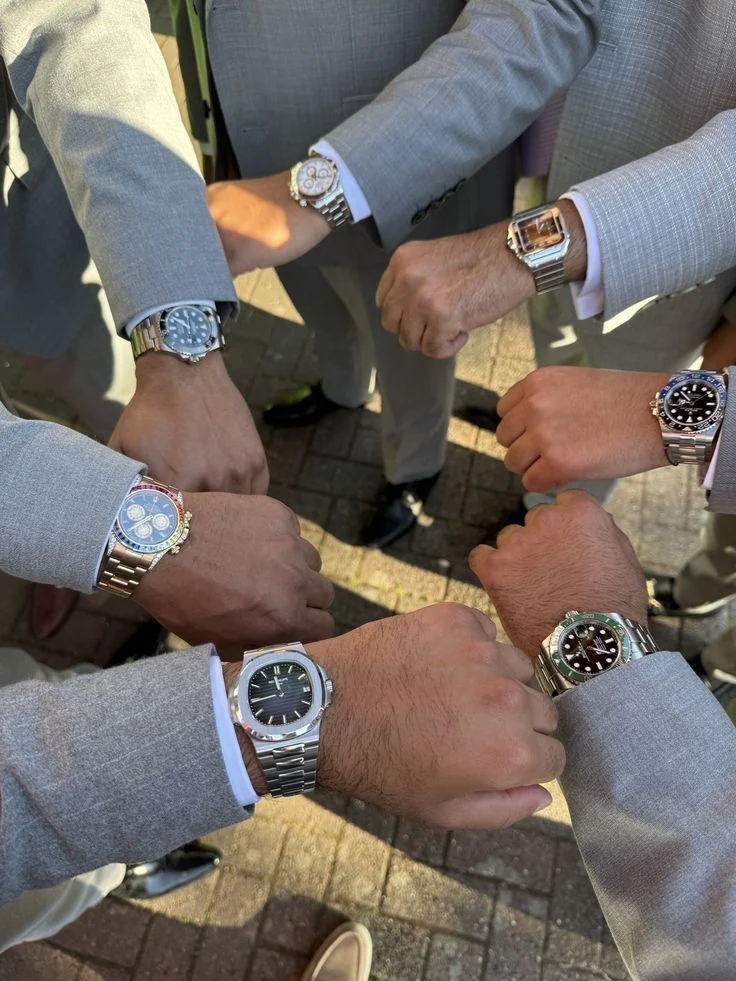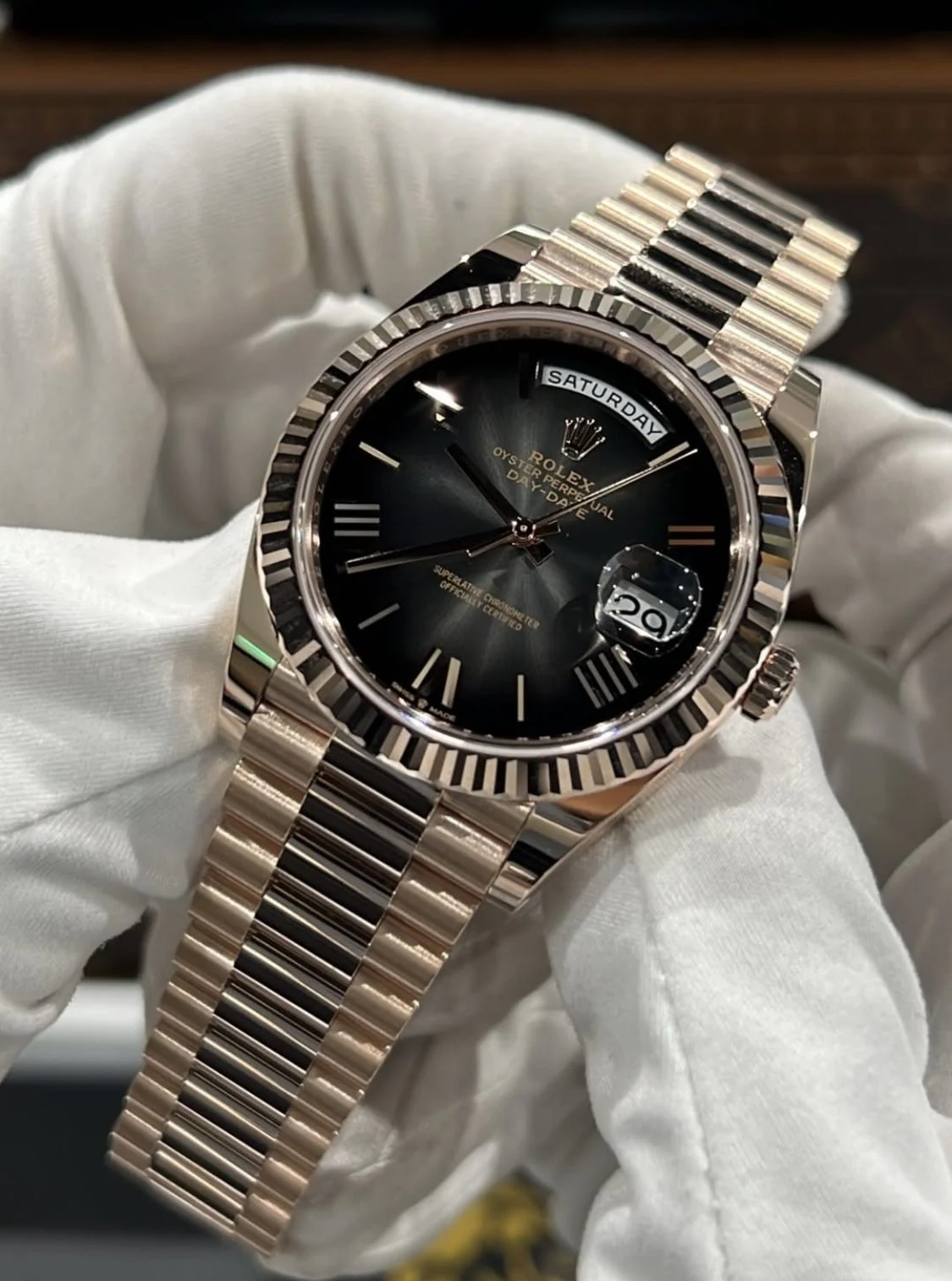
Direct answer: Expect to pay roughly $400–$1,500+ to service a Rolex depending on whether you use an independent watchmaker or an authorized Rolex Service Center, the model and movement (simple automatic vs. chronograph/complications), the condition of the watch, and whether parts need replacement. Most typical modern Rolex full services fall in the $600–$1,200 range at authorized centers; independent specialists can often be cheaper but come with trade-offs.
Detailed explanation
“How much to service a Rolex” has a variable answer because a service is not a one-size-fits-all job. A basic maintenance service (inspection, pressure test, gasket replacement, regulation) costs less than a full overhaul that includes complete disassembly, cleaning, lubrication, replacement of worn parts, and cosmetic work like polishing the case and bracelet. Authorized Rolex Service Centers charge a premium for genuine Rolex parts, factory processes, and official paperwork; that premium buys brand-authentic parts, testing to Rolex tolerances, and a service warranty.
Typical price bands you can expect (approximate, will vary by country and year):
- Independent watchmaker basic service: $250–$600 — suitable for routine upkeep on a healthy watch.
- Independent full service (overhaul): $400–$900 — complete movement overhaul, testing; parts charged extra.
- Authorized Rolex Service Center basic/full service: $600–$1,200+ — includes factory parts, polishing (optional), pressure testing, official documentation.
- Complicated models (chronographs, day-date complications, vintage parts): $900–$2,500+ — costs rise when parts are scarce or complex movements require more labor.
Additional costs to budget for: replacement crystal, bezel inserts, crown and tube, dial or hands (especially for vintage pieces), end links/bracelet refurbishment, and authentic part surcharges. Polishing is often optional and will add to cost; note that aggressive polishing removes metal and can reduce resale value.
Key reasons / factors
- Model and movement complexity: Simple automatic movements are cheaper to service than chronographs (e.g., Daytona) or complicated calendars.
- Condition of the watch: A well-maintained watch with no corrosion costs less than one that has water intrusion, rusted parts, or damage.
- Parts availability: Modern standard models have readily available parts; vintage or rare Rolex models may need hard-to-source components or even custom work.
- Authorized vs independent service: Authorized centers use genuine Rolex parts and official procedures; independent watchmakers may use aftermarket parts or service parts and typically charge less.
- Geographic location: Labor and service costs vary by country and local market — major cities and authorized boutiques charge more.
- Scope of work: Basic service vs complete overhaul, plus optional polishing, bracelet refurbishment, or part replacements.
- Turnaround time: Faster service may incur premium fees; authorized centers sometimes have longer lead times.
Comparison
| Service type | Typical cost | Pros | Cons |
|---|---|---|---|
| Authorized Rolex Service Center | $600–$1,500+ | Genuine parts, factory standards, documentation, warranty | Higher cost, longer turnaround, may polish aggressively |
| Independent certified watchmaker | $250–$900 | Lower cost, personalized service, often faster | Parts may be aftermarket, warranty varies, expertise varies by watchmaker |
| Local generic repair shop | $100–$400 | Cheapest, quick fixes | High risk for improper parts/technique, can harm value |
Pros and Cons
- Authorized Rolex Service Center
- Pros: Authentic parts, factory-trained technicians, official paperwork and warranty, highest assurance of Rolex specifications.
- Cons: Costlier, sometimes lengthy wait times, polishing can reduce sharp edges/value if desired to keep original finish.
- Independent watchmaker
- Pros: Lower price, often quicker turnaround, many are highly skilled and specialize in vintage Rolex servicing.
- Cons: Parts may be non-OEM, quality varies widely—choose an experienced, reputable watchmaker with references.
FAQs
How often should I service my Rolex?
Rolex historically recommended periodic servicing every 10 years; many watchmakers advise every 5–7 years depending on wear and water exposure. If you swim/diver’s use the watch regularly or notice loss of accuracy, moisture, or irregular behavior, get it checked sooner.
Will servicing affect the value of my Rolex?
Proper servicing with documentation from an authorized service center can maintain or even increase a watch’s value by proving service history. However, excessive polishing or replacement of original parts (especially on vintage models) can reduce collector value. Keep service records and ask for removed parts when possible.
Is it safe to use an independent watchmaker for a Rolex?
Many independent watchmakers are highly skilled and trustworthy—especially those certified by recognized horological schools or with strong reputation and references. For contemporary Rolexes where resale value matters, owners often prefer authorized service. For vintage Rolex watches, a specialist independent may be the best choice due to parts knowledge and conservation approach.
How long does a Rolex service take?
Turnaround times vary: independent watchmakers may take 1–4 weeks; authorized Rolex Service Centers often take 4–12 weeks or more depending on work queues and parts. Vintage or complicated repairs can take longer.
Can I negotiate the price or decline certain work?
Yes. Ask for a written estimate before work begins. You can often decline optional services like polishing or cosmetic restoration to save cost and preserve original condition. Confirm whether replaced parts are genuine and whether you can keep removed parts.