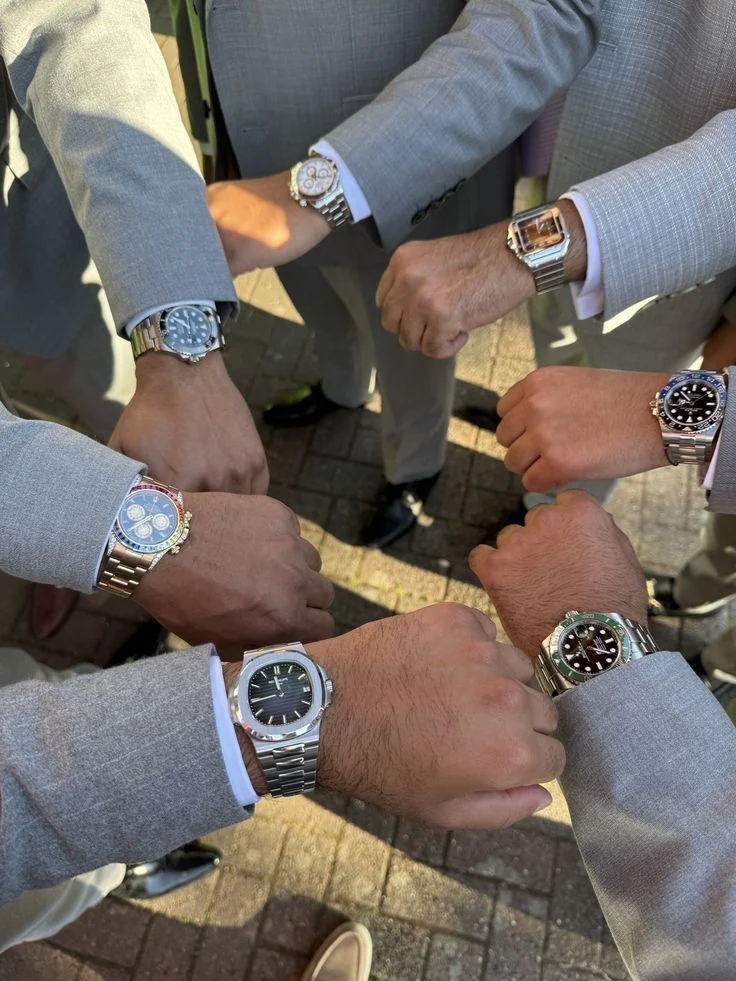
Direct answer: Rolex is expensive because the brand combines decades of reputation, strict quality control, in-house manufacturing, premium materials, certified movements, tightly controlled distribution, and strong resale value — all of which allow Rolex to command high prices. In short, you pay for engineering, brand equity, scarcity management, and long-term value retention.
Detailed explanation
When people ask “why Rolex is so expensive” or “why are Rolex watches expensive,” they often expect a single reason. The reality is a network of factors working together. Rolex invests heavily in research and development, owns most of its production chain (from metallurgy to movement assembly), and applies rigorous testing and certification like the Superlative Chronometer standard. Beyond technical quality, Rolex has cultivated global desirability through consistent design, iconic models (Submariner, Daytona, Datejust), careful marketing, and selective distribution. The brand also controls supply and uses strategic pricing, which sustains demand and resale prices. Consequently, the final retail price reflects not only materials and labor but also intangible value: rarity, prestige, and an after-market ecosystem that often makes Rolex watches an investment-like purchase.
Key reasons / factors
- In-house manufacturing and vertical integration: Rolex makes its own movements, cases, bracelets, and even alloys (e.g., Rolesor, Everose gold, 904L/9046 stainless steel), reducing reliance on suppliers and enabling tight quality control.
- Premium materials: Use of proprietary golds, ceramics (Cerachrom bezels), and high-grade stainless steel increases cost. Precious metals and gem-setting are done in-house to exacting standards.
- R&D and engineering: Investment in movement innovation (Parachrom hairspring, Chronergy escapement) and durability testing contributes to higher manufacturing costs.
- Certification and testing: Rolex applies its own Superlative Chronometer certification, demanding rigorous timekeeping and performance verification beyond COSC standards.
- Brand heritage and desirability: A century of marketing, celebrity and explorer associations, and consistent model lineage create strong brand equity so buyers accept premium pricing.
- Controlled supply and distribution: Rolex limits production and controls authorized dealers, creating scarcity on popular models and elevating perceived value.
- After-sales service and durability: Comprehensive service networks, lengthy lifespans, and warranties add to perceived lifetime value and justify higher prices.
- Resale value and investment appeal: High demand in the secondary market often keeps Rolex prices stable or rising, effectively making them a store of value for many buyers.
- Marketing and positioning: Strategic positioning as a luxury symbol, with selective advertising and sponsorships, maintains premium status.
- Economies of scale in luxury pricing: Rolex’s size lets it set market expectations; price increases are absorbed by demand in a way smaller brands cannot replicate.
Comparison (if relevant)
Comparing Rolex to other brands helps clarify where the cost premium comes from. Below is a concise comparison with typical market perceptions and price positioning:
| Brand | Typical price range (new) | Key differences vs Rolex |
|---|---|---|
| Rolex | $6,000 – $50,000+ (standard to precious/complications) | Strong brand equity, in-house vertical integration, high resale value, controlled supply |
| Omega | $3,000 – $15,000 | Excellent value, high-tech movements (Co-Axial), but generally lower resale and prestige premium |
| Tudor | $2,000 – $6,000 | Sibling brand with good build but more accessible pricing, less premium positioning |
| Patek Philippe / Audemars Piguet | $20,000 – $500,000+ | Often higher craftsmanship/complications, smaller production runs, even stronger collectible status |
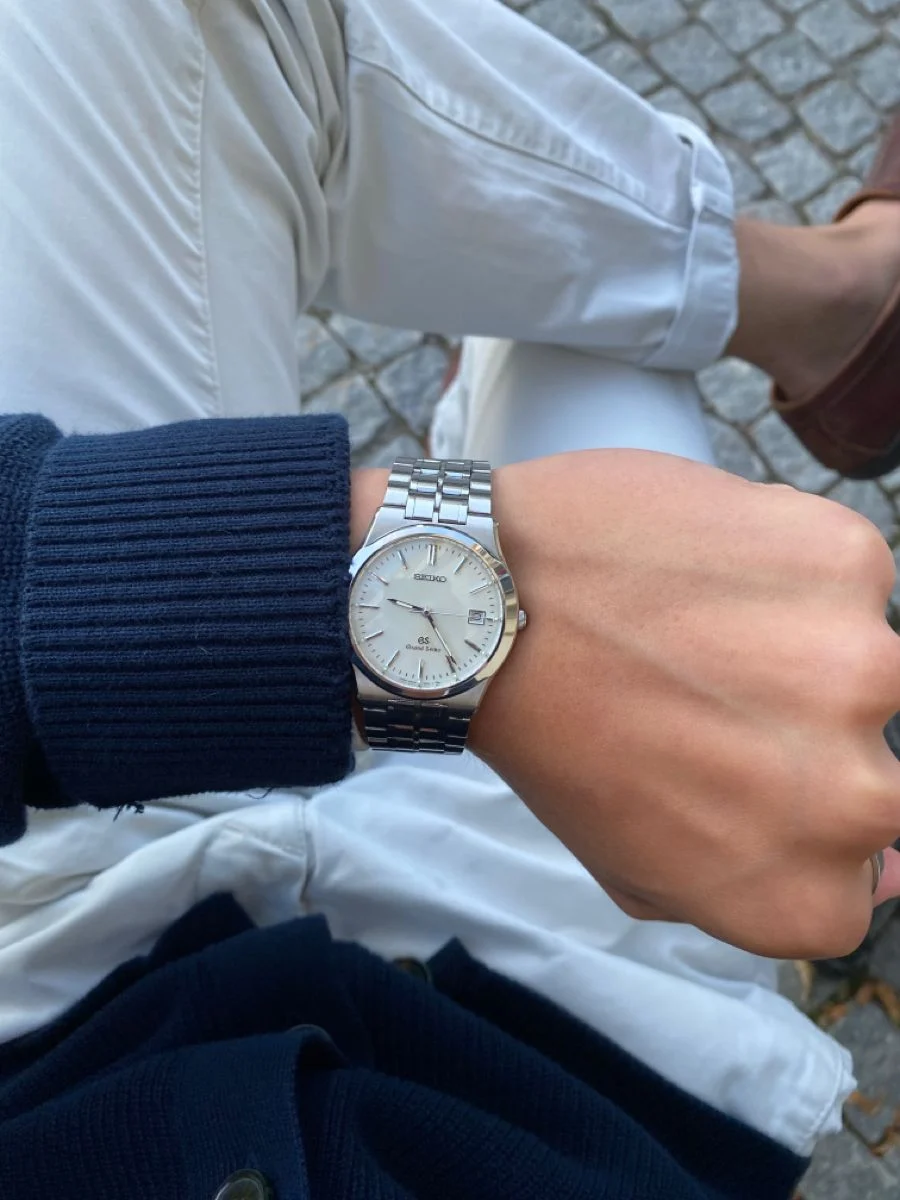
| Seiko / Grand Seiko | $200 – $15,000 | Great technical value and finishing (especially Grand Seiko) but different brand narrative and global pricing strategy |
Pros and Cons
- Pros
- Exceptional build quality and robust engineering
- Strong resale and collectible value for many models
- Large, reliable service network and long-term support
- Iconic designs that retain market appeal
- Cons
- High premium for brand and scarcity, sometimes beyond intrinsic cost
- Long dealer waitlists and limitations on purchases for hot models
- Price increases can outpace perceived incremental improvements
- Speculative market behavior can distort retail vs. secondary prices
FAQs
1. Are Rolex watches worth the price?
It depends on what you value. If you prioritize long-term durability, resale stability, iconic status, and reliable after-sales service, many people find Rolex worth the price. If you value horological complexity per dollar or want niche independents, other brands may offer better mechanical value.
2. Why do new Rolex prices increase so often?
Rolex periodically adjusts retail prices due to material costs, inflation, currency fluctuations, and strategic pricing. Controlled supply and sustained demand allow price increases without collapsing sales, and the secondary market often validates those higher prices.
3. Do Rolex watches retain value better than other brands?
Generally yes for many popular models (Submariner, Daytona, GMT-Master II), partly due to brand desirability and limited availability. However, not every Rolex model is a guaranteed investment; rarity, condition, and market trends matter.
4. Is the high price mainly because of marketing?
Marketing and brand positioning are significant, but they work alongside genuine technical investment, materials, manufacturing, and service infrastructure. The price reflects both tangible and intangible factors.
5. Can I get similar quality for less?
Yes. Brands like Omega, Grand Seiko, and certain independent watchmakers offer excellent craftsmanship and innovation at lower price points. The difference is mostly in brand cachet, resale dynamics, and some proprietary materials or processes.