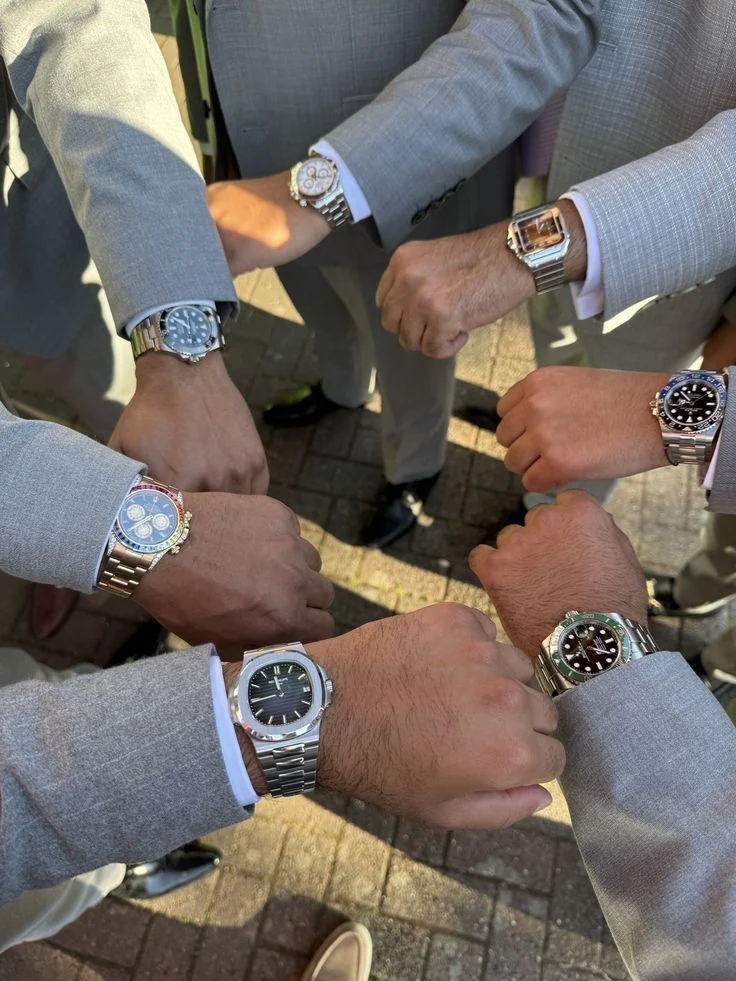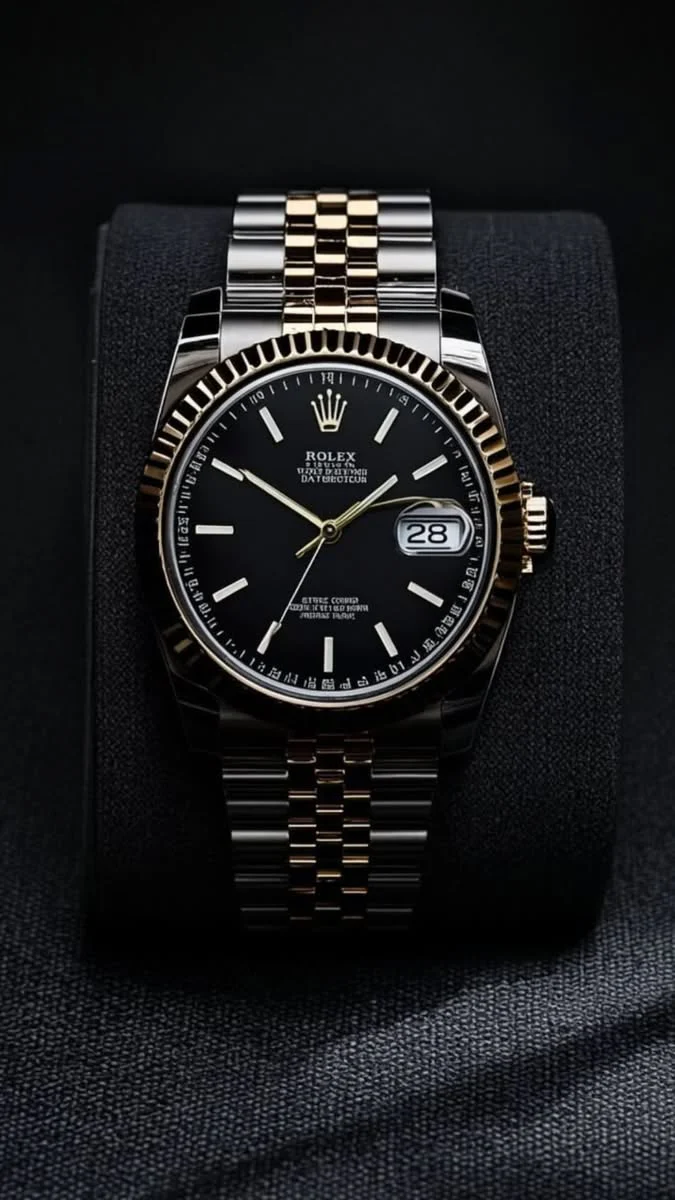
Short answer: Yes — some Rolex watches have proven to be strong investments over time, particularly iconic sport and limited-production models, but buying any Rolex as an investment carries risk and is not a guaranteed way to make money. Success depends on model, condition, provenance, timing, and market factors.
Detailed explanation
Rolex has exceptional brand recognition, a long history of quality, and enduring demand that gives many Rolex watches investment-grade characteristics. Certain references — for example, vintage Daytona “Paul Newman” models, modern stainless-steel Submariner and Daytona references, and scarce GMT-Master II variants — have delivered significant capital appreciation and strong resale value compared with most consumer goods.
However, not every Rolex will increase in value. Most newly purchased watches will experience an initial depreciation if bought at retail and then sold within a short period, especially if they are less sought-after dress models or heavily worn. The Rolex investment thesis works best when you target models with scarcity, long-term desirability, and documented provenance, and when you hold for multiple years (often a decade or more). Key variables include market cycles, global demand, dealer premiums, maintenance costs, and potential changes in fashion or collector interest.
Key reasons / factors
- Brand strength: Rolex’s global recognition and perceived prestige support consistent demand and liquidity in the secondary market.
- Scarcity and waitlists: Brand-controlled production and retailer allocations create scarcity for certain steel sport models, driving premiums on the secondary market.
- Iconic models: Models like the Submariner, Daytona, GMT-Master II and Explorer historically perform better than generic Oyster Perpetual or most dress watches.
- Condition & completeness: Box, papers, original bracelet, and service history materially increase resale value and collectability.
- Rarity & provenance: Limited editions, discontinued references, unique dials, or celebrity provenance can create outsized returns.
- Market liquidity: Rolex watches (especially popular models) are relatively liquid compared with many other collectible categories, making it easier to sell when needed.
- Costs & fees: Auction fees, dealer margins, insurance, storage, and servicing reduce net returns and should be factored into any investment calculation.
- Counterfeit risk: The prevalence of high-quality fakes means verified authenticity and reputable sellers are essential to avoid total loss.
Comparison
- Rolex vs. Stocks/Bonds: Rolexes are tangible, potentially inflation-hedged collectibles with low correlation to equities, but they lack dividends, have holding costs, and are less tax-efficient. Stocks offer liquidity, dividends, and easier diversification; Rolex investing should be a small portion of a diversified portfolio.
- Rolex vs. Gold: Gold is a pure commodity hedge and highly liquid; Rolex combines material value with brand and rarity, which can yield higher upside but also more volatility and subjectivity in pricing.
- Rolex vs. Other Watches (Patek Philippe, Audemars Piguet): Patek Philippe and rare Audemars Piguet references often outperform Rolex in top-end collector markets, sometimes delivering higher percentage gains for ultra-rare pieces. However, Rolex generally offers broader liquidity and a wider entry-level market for collectors and investors.
- New vs. Pre-owned: Buying new can mean immediate scarcity-driven premiums if you secure a hot model; buying pre-owned allows you to avoid initial retail markups and can offer opportunities to acquire discontinued references that appreciate.
Pros and Cons
- Pros:
- Strong brand demand and resale market.
- Potential for significant appreciation on select models.
- Relatively liquid among collectibles — easier to sell than many alternatives.
- Enjoyable ownership: you can wear the asset rather than store it in a vault.
- Cons:
- Not all models appreciate; many hold or lose value after purchase.
- High transaction costs (dealer margins, auction and buyer’s fees, taxes).
- Ongoing costs: insurance, secure storage, and periodic servicing.
- Counterfeit and misrepresentation risks; requires expertise to navigate.
- Market sentiment can shift; demand for specific models can fluctuate.
FAQs
1. Are Rolex watches a safe investment?
No asset is entirely “safe.” Rolexes are comparatively resilient due to brand strength and collector demand, but they carry risks: model selection, market cycles, maintenance costs, and authenticity issues. Treat Rolex investments as speculative and allocate only a portion of your portfolio to collectibles.
2. Which Rolex models typically appreciate the most?
Historically, the stainless-steel sport models (Daytona, Submariner, GMT-Master II) and rare vintage references have shown the strongest appreciation. Limited-production pieces, discontinued references, and watches with unique dials or celebrity provenance also outperform. However, past performance doesn’t guarantee future gains.
3. Should I buy a new or pre-owned Rolex for investment?
Both routes have merits. New watches are attractive if you can secure a high-demand model from an authorized dealer, but you may face waitlists or immediate premiums. Pre-owned markets offer discontinued and rare finds; you can sometimes buy below peak retail but must verify authenticity and condition carefully.
4. How important are box and papers?
Extremely important. Complete sets (original box, papers, warranty card, service records) command higher prices and are easier to sell. Documentation proves provenance and authenticity and typically adds a measurable premium to resale value.
5. How long should I hold a Rolex as an investment?
Long term. Most meaningful appreciation occurs over multiple years to decades. Short-term flips are risky due to transaction costs and market volatility; patient collectors typically see the best outcomes.